If you've ever opened a new silicone product and noticed an unpleasant smell, you're not alone.
Many consumers may wonder if the unpleasant smell indicates that the product is unsafe or uses inferior materials. This issue is particularly common in pet products such as silicone licks, silicone slow-feed bowls, baby feeding supplies, and kitchen utensils.
The good news is that not all silicone odors indicate a safety problem. In fact, understanding where the smell comes from can help buyers identify high-quality silicone products and avoid inferior ones.
In this article, we'll explain:
Pure food-grade silicone itself is almost odorless.
Silicone is composed of silicon, oxygen, carbon and hydrogen. After proper curing, high-quality silicone should have almost no noticeable odor.
If the silicone product has a strong chemical odor, this odor usually comes from the manufacturing process rather than the silicone material itself.
The most common reason for unpleasant odors is low-quality silicone.
Some manufacturers use:
These materials reduce production costs but often leave a noticeable rubber or chemical smell.
Premium manufacturers instead use:
These materials produce far less odor and offer better durability.
It is worth noting that silicone products have an odor. This is likely due to the use of low-cost additives, such as curing agents. The post-curing process was not strictly followed. Many factories, in an effort to cut costs, would omit this step. This resulted in the excess additives not being fully sulfided at high temperatures, causing residual odors to remain on the products.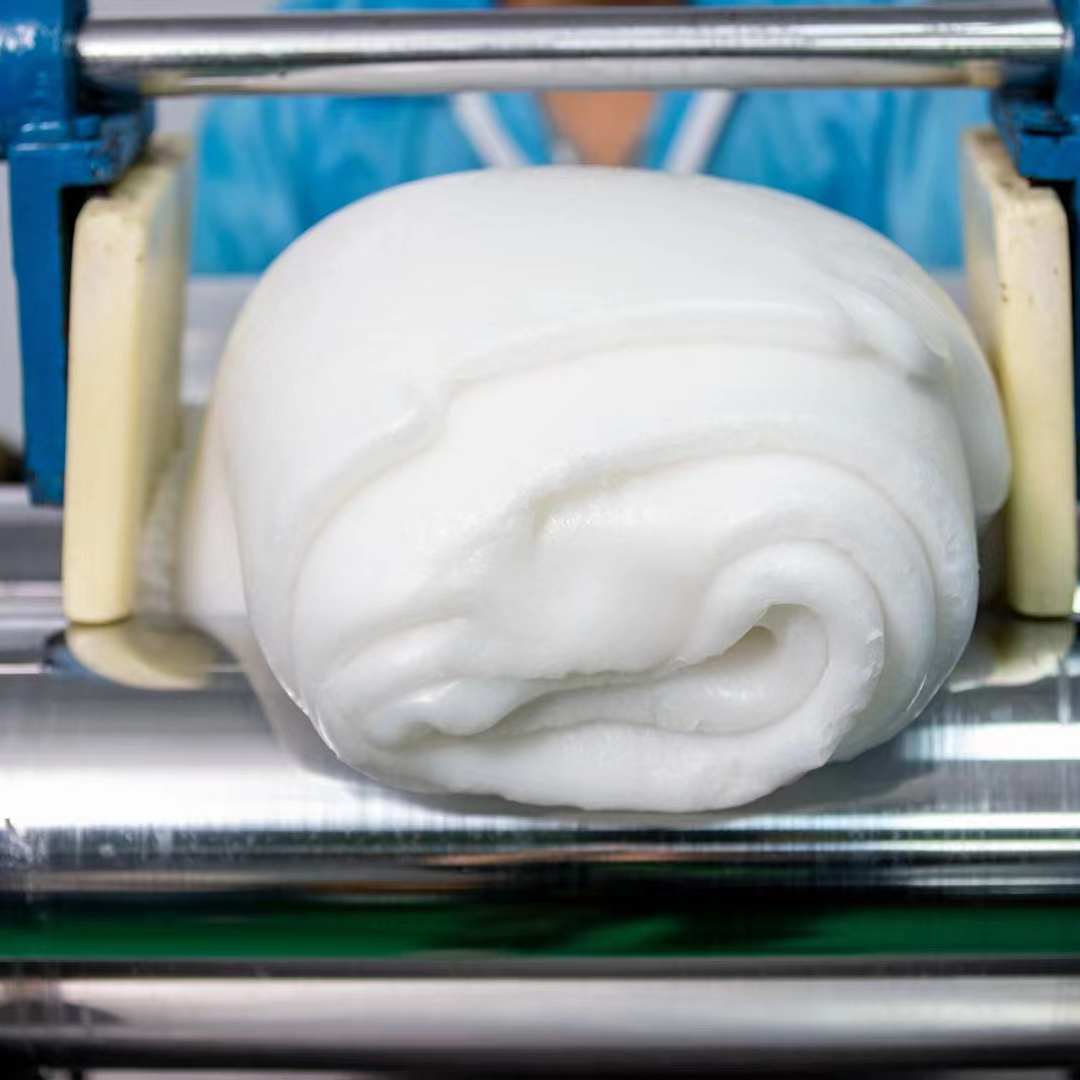
Silicone products are manufactured by heat curing.
If curing time or temperature is insufficient, some volatile compounds remain trapped inside the silicone.
These residual substances may create:
Proper post-curing at high temperatures removes these volatile compounds and greatly reduces odors.
Experienced manufacturers carefully control curing conditions to ensure every batch is fully cured.
Usually, after production, all the products are placed in the Post Cure Oven in batches for post-curing. This step is very important. It is also a major factor why many silicone products still have a smell when they leave the factory. Many factories have omitted this step.
During manufacturing, molds sometimes require release agents to help remove finished products.
If these residues are not thoroughly cleaned, they may leave an unpleasant smell on the final product.
Professional factories minimize or eliminate mold release agents whenever possible and perform thorough washing before packaging.
Even perfectly manufactured silicone may develop a temporary smell after packaging.
Why?
Silicone products are often sealed in plastic bags immediately after production.
During shipping and storage, especially in hot containers, harmless volatile compounds can become trapped inside the package.
Once opened, the smell usually disappears within a few hours or days.
This is particularly common with:
We had a client of a baby and children's brand before. They wanted to change the packaging material. During the packaging process, we found that the packaging had a strong glue smell. Silicone products have the characteristic of absorbing odors. After the packaging, there was a relatively strong glue smell on the product. This brand is very concerned about quality. After we informed the client of this situation, the client requested us to replace the packaging with the previous old one. Although the smell on the packaging would dissipate after a few hours after opening, for consumers, they would doubt the safety of the product. Why would there be such an unpleasant smell? Is the product toxic? Is it unsafe? Can I use it for my baby? A series of such questions would all relate to the brand's own quality control and quality. As professionals in silicone products, we know that it is not toxic, but consumers are not aware of this. They will doubt it. Therefore, the brand also needs to be very cautious when choosing packaging.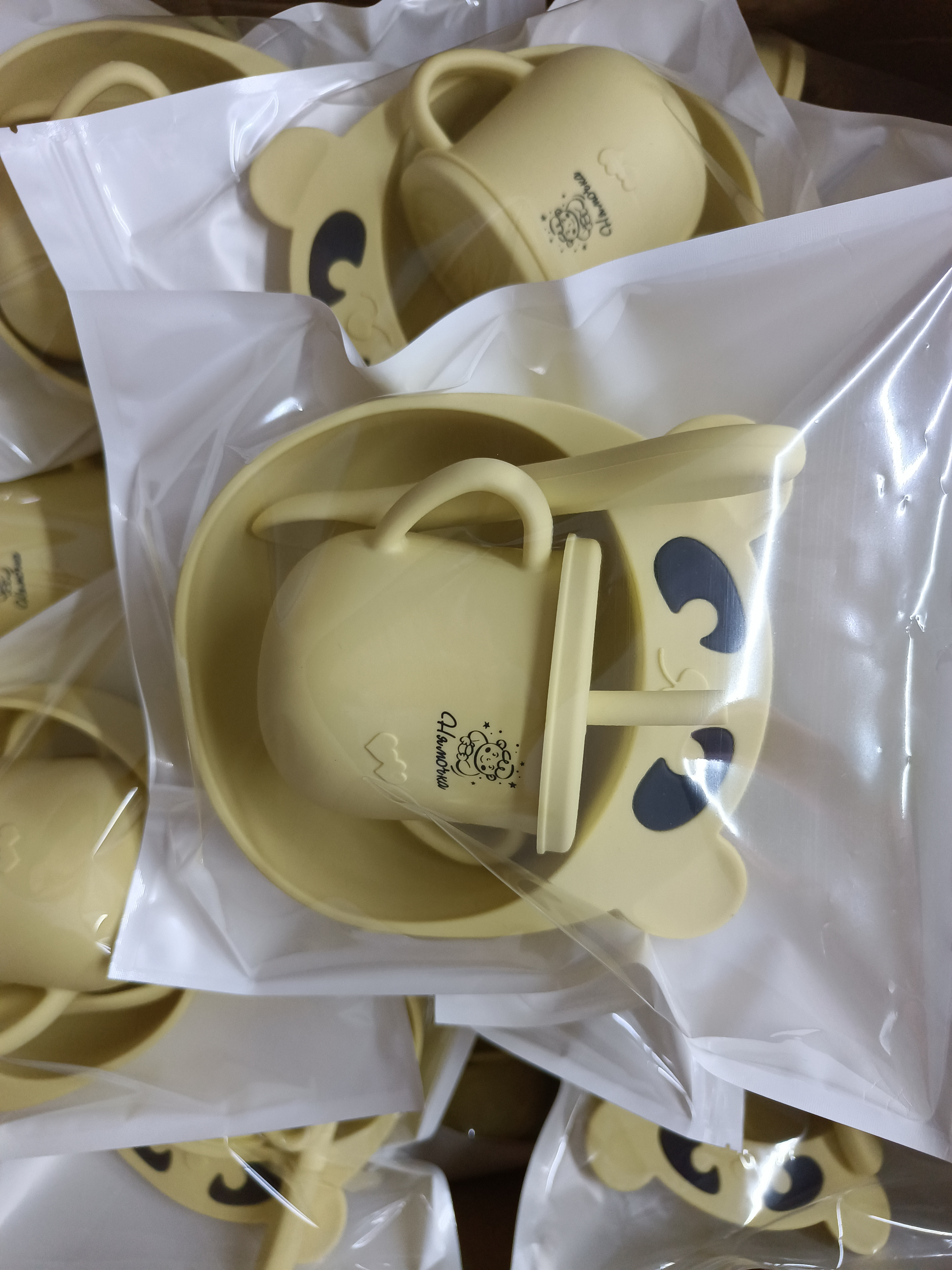
Customized silicone products often include:
Sometimes the smell comes from the ink instead of the silicone itself.
High-quality manufacturers use food-safe silicone inks with low VOC emissions, while cheaper inks may produce stronger odors.
In most cases, a mild odor does not mean the silicone is toxic.
Food-grade silicone is chemically stable and widely used for:
However, if a silicone product has an extremely strong chemical smell that persists after several days, it may indicate:
For products that come into contact with food or pets, buyers should always choose silicone that meets FDA or LFGB food-contact standards.
Especially for pet brands, baby and children's brands, and kitchenware brands, the first impression of customers upon receiving the products - if they smell a bad odor, it will also negatively affect their impression of the brand. Therefore, when brands select silicone products, they must ensure the quality of the products.
If your new silicone product has a slight smell, these methods often help.
Clean the product using warm water and mild dish soap before first use.
Leave the product in a well-ventilated area for 24–48 hours.
Many packaging-related odors disappear naturally.
For heat-resistant silicone products, place them in an oven at approximately 120°C (250°F) for about 30–60 minutes.
This helps remove remaining volatile compounds.
Always follow the manufacturer's temperature recommendations.
Do not use bleach or aggressive solvents.
These can damage the silicone surface.
Pet owners are especially sensitive to odors.
Dogs have an extraordinary sense of smell, and strong chemical odors may discourage them from using feeding products.
High-quality custom silicone lick mats should:
Similarly, premium silicone slow feeder bowls should maintain their performance without developing unpleasant smells after repeated washing.
Manufacturers that prioritize material quality and proper curing produce pet products that are safer, cleaner, and more pleasant for both pets and owners.
When inquiring of the supplier, please ask if they will do second sulfidation process on the products? For companies that have strict requirements for their products, it is extremely necessary to ask this question.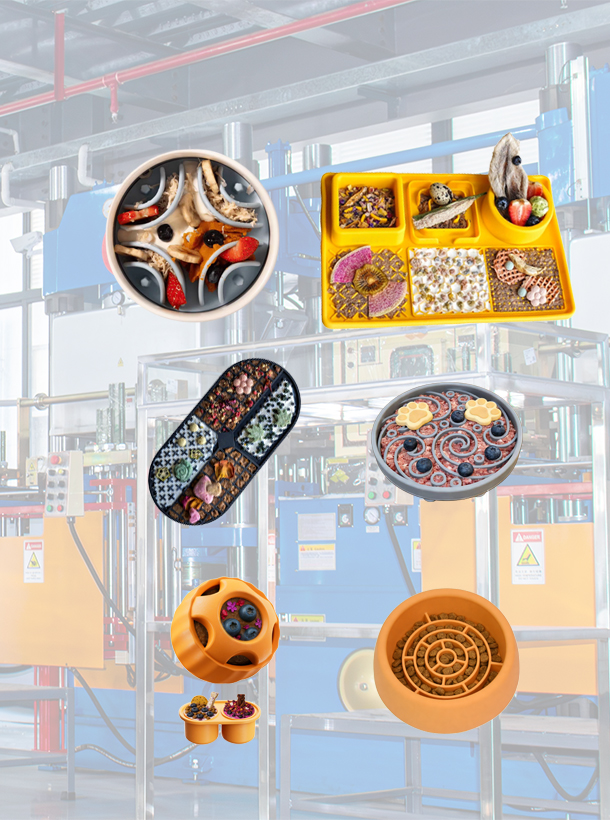
At JOYI Silicone, odor control begins long before production.
Our manufacturing process includes:
Whether producing custom silicone lick mats, slow feeder bowls, baby feeding products, or kitchen accessories, we focus on delivering silicone products that meet international food-contact standards while minimizing odors.
For brands, wholesalers, and private-label buyers, consistent material quality helps reduce customer complaints and improve product satisfaction.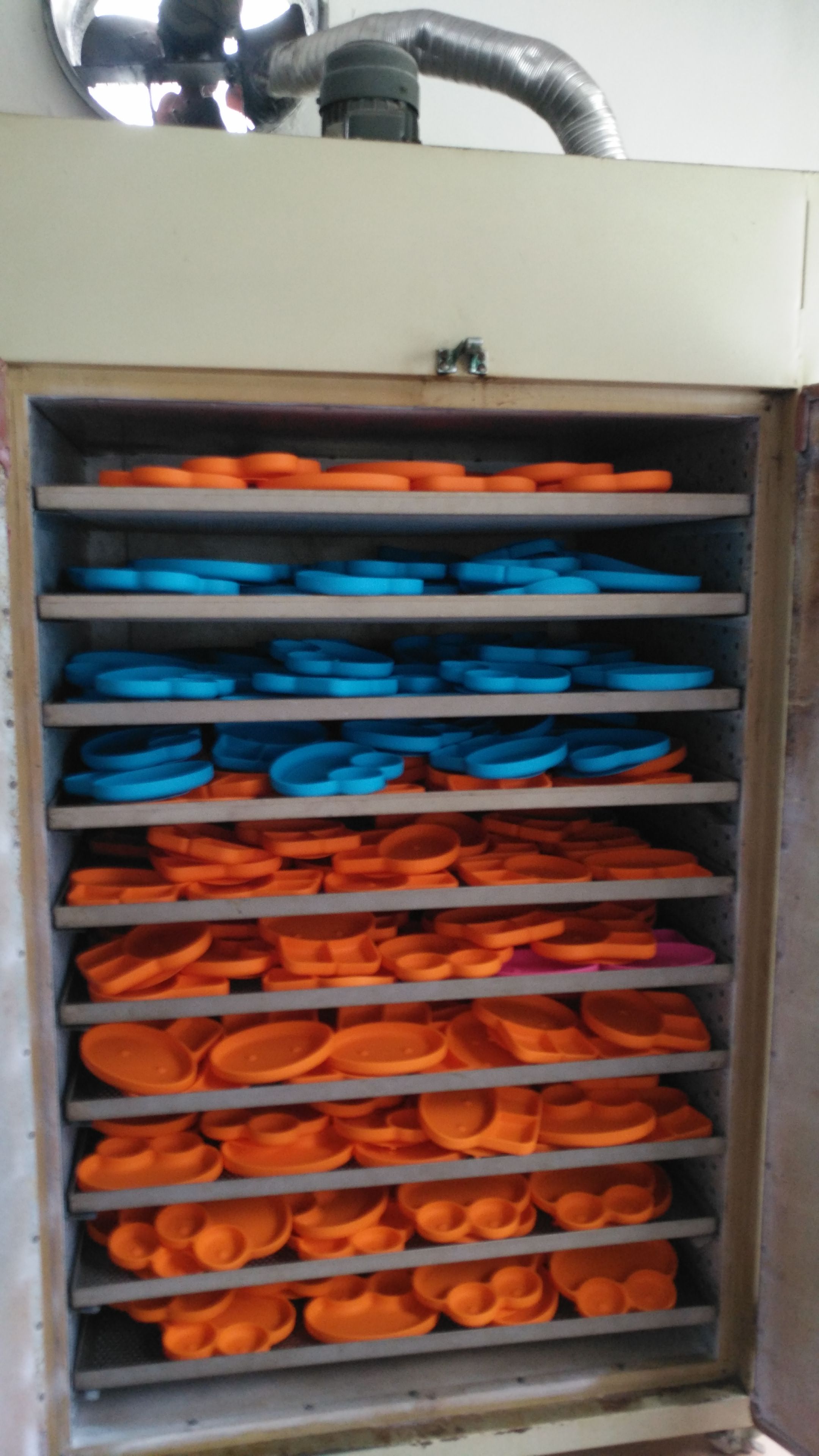
A slight rubber smell is usually caused by packaging or residual volatile compounds after manufacturing. High-quality food-grade silicone should have little or no lasting odor.
Food residue trapped in textured areas can sometimes create odors. Thorough cleaning and complete drying usually solve the problem.
Yes. Boiling or baking (within the recommended temperature range) can help remove harmless residual odors from newly manufactured silicone products.
Yes. Platinum-cured silicone generally contains fewer residual byproducts and typically has much less odor than lower-quality peroxide-cured silicone.
Not all the odors from silicone are indicative of a problem.
Most temporary odors come from the packaging or manufacturing process rather than the silicone itself. However, persistent and strong chemical odors may suggest poor material quality or insufficient curing.
When purchasing food-contact products (such as silicone licks and silicone slow-feed bowls), choosing products made from high-quality food-grade silicone and produced under strict quality control is the best way to ensure a safe, durable, and odor-free experience.