In today’s competitive pet industry, product differentiation is everything. One of the fastest-growing categories is the slow feeder bowl, especially for brands focused on pet nutrition, enrichment, and health.
So how do successful pet brands create their own custom slow feeder dog bowls?
This guide breaks down the full process—from concept to launch—and shows how the right OEM slow feeder dog bowl manufacturer can help you scale faster.
Modern pet owners are no longer just buying food—they’re buying feeding solutions. Many pet brands now combine slow feeders with other enrichment products to create a complete feeding system.
A well-designed maze dog bowl or soft silicone dog bowl can:
For pet food brands (especially fresh or premium), pairing food with a safe puppy feeding bowl silicone solution creates a complete feeding system. One of the most popular combinations is a slow feeder paired with a silicone lick mat.
👉 This is how brands shift from product sellers → solution providers
Launching a custom slow feeder bowl starts long before the first prototype is made. The more clearly you define your product goals, the smoother the development process will be. Preparing the following information in advance can help your OEM manufacturer provide more accurate recommendations, shorten development time, and reduce unnecessary revisions.
Think about how your slow feeder fits within your existing product line. Are you targeting premium pet owners, eco-conscious consumers, puppy owners, active dog families, or perhaps you want this bowl to be usable by both cats and dogs? Your brand positioning will influence everything from the bowl's appearance to the materials, colors, and packaging.
Different markets often have different preferences and compliance requirements. For example, Amazon sellers may prioritize competitive pricing and attractive packaging, while retail brands may focus more on premium presentation and shelf appeal. Knowing where your products will be sold helps determine the best manufacturing approach.
Will your bowl be designed for puppies, small breeds, medium-sized dogs, or large breeds? The bowl's diameter, depth, maze pattern, and capacity should match your target users. It's also important to consider whether the bowl will primarily be used for dry kibble, wet food, or a combination of both.
If you already have a logo, brand colors, packaging concepts, or style guidelines, share them with your manufacturer as early as possible. This allows the engineering team to integrate your branding into the product design, mold development, and packaging from the beginning.
Your sales strategy can affect product specifications. Products designed for Amazon FBA may require compact packaging and barcode labeling, while wholesale or retail orders often need customized cartons or display packaging. Setting an estimated budget and target order quantity also helps your manufacturer recommend the most suitable production solution.
By preparing these details before development begins, pet brands can move from concept to production more efficiently while creating a slow feeder bowl that aligns with both customer expectations and business goals.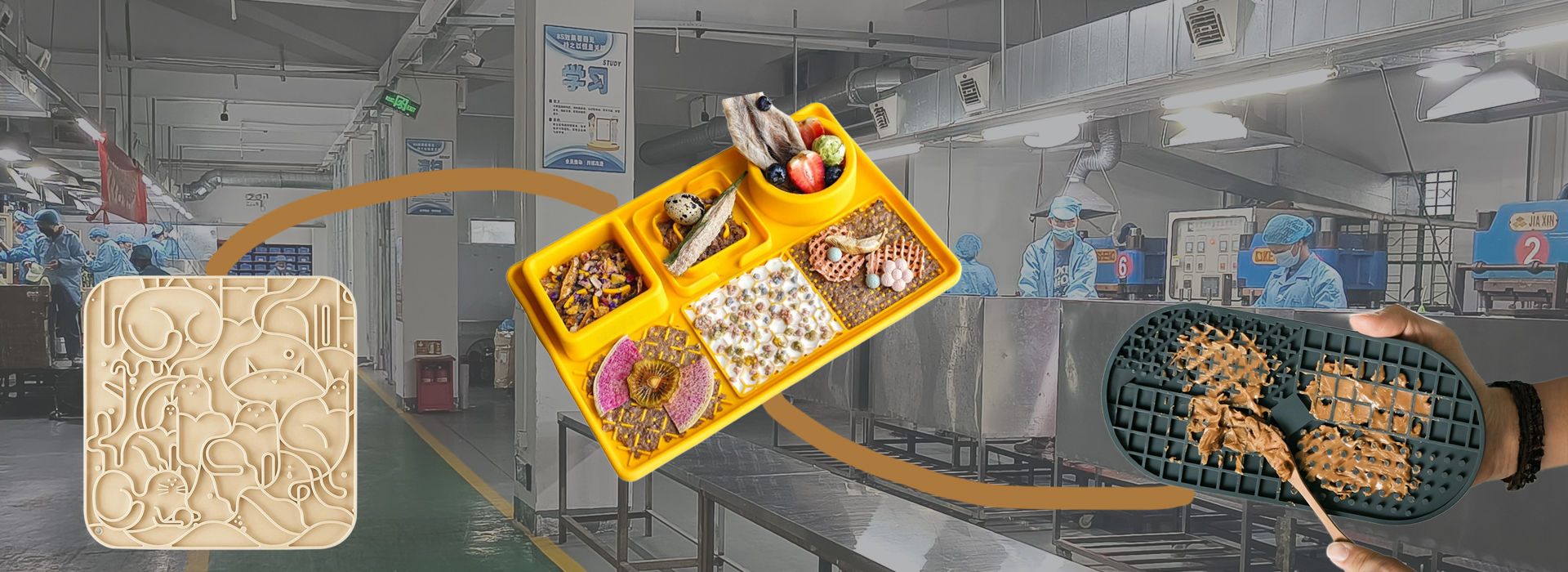
Most modern brands prefer food-grade silicone over plastic.If you're comparing materials, read our detailed guide on silicone vs plastic slow feeder bowls.
Compared to hard plastic, a soft silicone dog bowl delivers both safety + premium feel, which is critical for brand perception.
The “maze” is the core of a slow feeder’s functionality. Different maze patterns also influence how effectively a bowl slows eating.
Good design balances:
An experienced OEM slow feeder dog bowl supplier will help optimize these structures based on real feeding behavior.


This is where your product becomes unique.
A professional private label slow feeder dog bowl supplier ensures your branding is integrated directly into the mold—making it harder to copy.
If the texture design is too complicated, it becomes difficult for the dog to eat. Usually, the dog will give up the food or chew and destroy the slow-feeding bowl.
If the edge of the bowl is designed too high, when the dog is eating, it will press against the dog's chin or throat, causing discomfort during the eating process and greatly affecting the overall experience.
The design of the texture is too narrow, which will prevent the dog from reaching the wet food in the middle. Moreover, during the cleaning process, it may also be impossible to clean thoroughly.
Different breeds of dogs have different mouth shapes. Especially if your pet group consists of short-mouthed dogs like bulldogs, when designing the bowls, you need to take into account the size of their mouths. Usually, dogs with short mouths are more suitable for wide-mouthed bowls with a slight inclination.
Contact Us (tell us your idea) → Drawing ( our designer will be drawing according your ideas) → 3D sample( After confirm drawing, will be make the 3D sample to confirm the size and apperance) → Mold Production (Normally take about 15-20days) → Mass goods sample ( Try the mold and produce the samples matching the pantone colors) → Send the sample to the customer confirm → Mass Production → Goods Inspection → Packing → Transportation

Understanding the total time required for customizing a slow food bowl is more beneficial for planning the launch time of the product for the brand.
| Stage | Time |
|---|---|
| Design Discussion | 2-5 days |
| 3D Drawing | 3-5 days |
| 3D sample shipping to customer | 5-7days |
| Mold Making | 15-20 days |
| Sampling | 5-7 days |
| Mass Production | 20-30 days |
Starting from the time the raw materials arrive at the factory, we will carefully check each batch of materials. The materials used to manufacture the pet slow-eating bowls are food-grade silicone materials. After production, we will arrange a full inspection because after the silicone products are produced, trimming is required, and each one needs to be inspected and trimmed. After packaging, our dedicated QC team members will conduct random inspections on each batch of orders.
If you are targeting the European market, we will also produce products that meet the LFGB standards upon your request, and ensure that the products can pass the relevant certifications.
The most straightforward approach is communication. Truly professional manufacturers will, when you express your ideas, assess based on past experience whether the product you want to make is feasible. For instance, we encountered a customer who inquired about making a pet toy. He said he wanted to use silicone material. For his design, we immediately informed him that although there are dog toys made of silicone on the market, silicone is not the best choice. At the same time, a material that is sturdy, resistant to chewing, and soft and elastic is natural rubber. If it were an unprofessional manufacturer, when the customer said they wanted to make a dog toy with silicone material, they wouldn't offer suggestions. Instead, they would follow the customer's choice, which ultimately results in the product being made but facing many negative reviews because silicone material cannot be bitten by sharp teeth. Learn more about choosing the right material for dog toys.
The professionalism during communication indicates whether this manufacturer is truly a supplier with extensive experience in the industry.
To inquire about the minimum order quantity for custom products and whether it can reach the expected quantity by the brand. After all, most brands do not choose to stock a large quantity at the beginning of a new product launch.
How can one determine whether the raw materials used by the manufacturer are of food-grade quality? You can request the manufacturer to provide a raw material inspection report. This is the most direct way to determine whether it complies with food safety standards.
Quality control is a crucial aspect. To determine whether a company is reliable, one must examine whether they have strict quality control procedures.
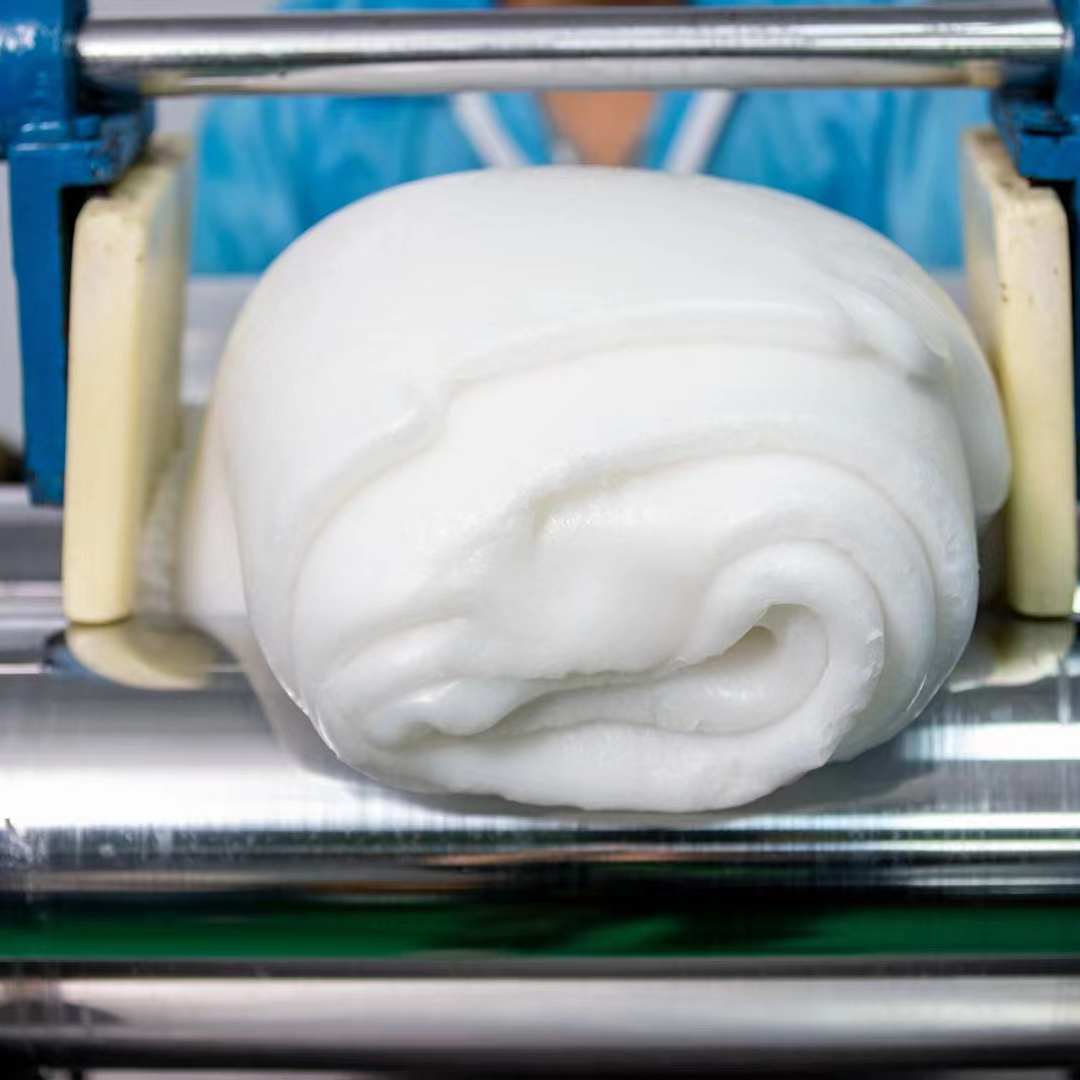
The raw material we use is food-grade platinum silicone. After the product is completed, we strictly follow the post-curing process. We heat and bake the remaining additives at high temperatures until they evaporate. As a result, when consumers open the package, they won't smell any odor. This is a very positive sign for the brand and will win the first impression of consumers. Learn why some silicone products smell bad and how professional post-curing removes odor.
For some start-up pet brands, usually many founders have only one idea in their minds - what kind of product they want to create. However, they don't know how to draw or whether this structure is feasible. After communicating with them, we will provide professional advice and help draw 3D drawings, assisting the brand in the process from an idea to a finished product. We have assisted many start-up brands in completing this process.
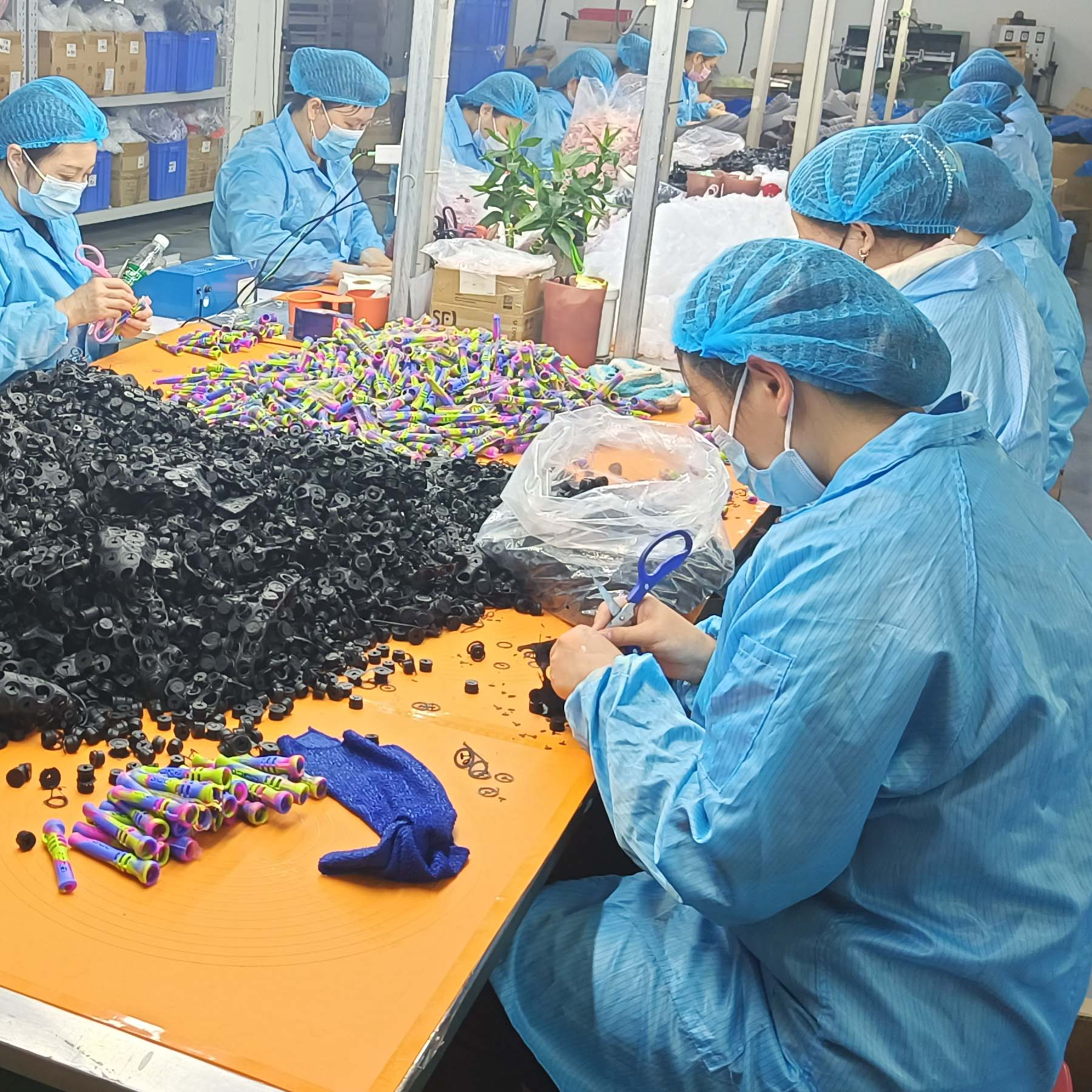
The quality inspection process of JOYI is also highly standardized. We have a set of quality inspection procedures to ensure that the products are in perfect condition when they are shipped. First, after the silicone products are finished, we need to trim the rough edges and clean the products thoroughly. This process is a full inspection process. Secondly, before packaging, we have a dedicated quality inspection team to randomly inspect the products. Only after the inspection is completed can the packaging be carried out.
We support small batch orders. Usually, the minimum order quantity for custom products is 1,000 units. If the customer has difficulty accepting 1,000 products, we can negotiate to a quantity of 500, significantly reducing the inventory pressure on the brand.
For customers on platforms like Amazon, we offer free labeling services. Our services cover the entire process from the factory to the Amazon warehouse.
For the packaging of the product, we have several options, such as using bags, paper boxes, paper cards, or vacuum-sealed packaging, etc.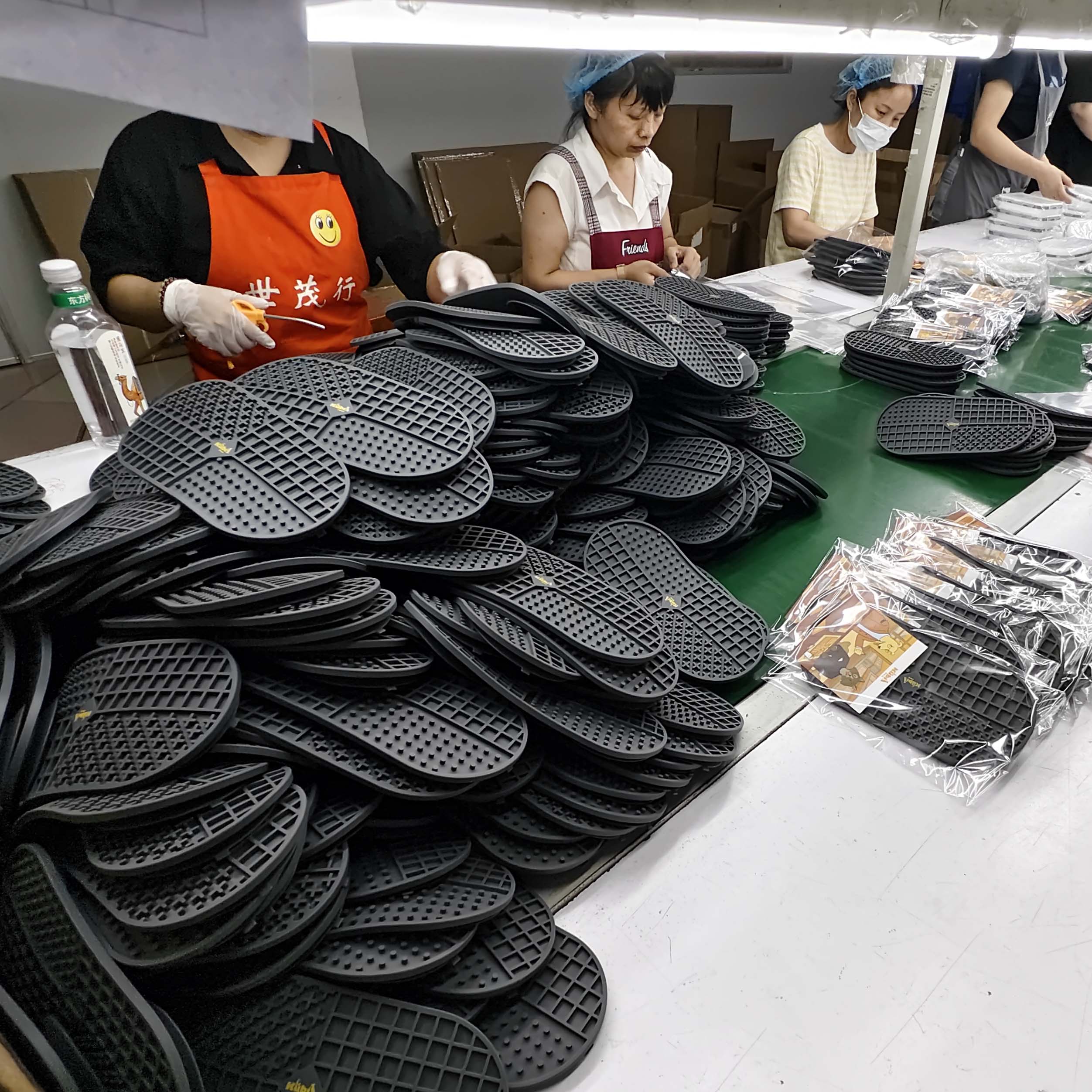
We provide full customization service, according customer's idea, to produce the slow feeder bowls with maze pattern.Learn more on our Custom Slow Feeder Bowl page.
A soft silicone dog bowl is safer, more durable, and easier to clean than plastic. It’s especially ideal as a safe puppy feeding bowl silicone option.
An OEM slow feeder dog bowl is a product manufactured based on your custom design, branding, and specifications by a professional factory.
Both options are available from a private label slow feeder dog bowl supplier like JOYI Silicone.
Normally,custom slow feeder eating bowls MOQ is 1000pcs.
Yes, for MOQ 1000pcs, can mix 2 to 3 colors together.
We have a large number of Amazon customers who are very experienced in this area and we also offer free labeling services.
Of course, we have a professional team of designers and engineers. All you need to do is tell us your ideas, and we can assist in drawing the plans.