| Property | Silicone | TPR (Thermoplastic Rubber) |
|---|---|---|
| Softness | Very soft, highly flexible, gentle on teeth and gums |
Soft but slightly harder than silicone; less elastic |
| Temperature Resistance | Excellent: -40℃ to +230℃, suitable for microwave, oven, freezer, dishwasher |
Moderate: about -20℃ to +120℃, not suitable for high-heat applications |
| Chemical Resistance | Highly resistant to water, oils, and most chemicals; non-toxic and odorless |
Moderate resistance; may degrade when exposed to oils, solvents, or UV over time |
| Durability / Wear Resistance | Strong tear resistance, long lifespan, does not easily deform or crack | Good wear resistance, but may age, harden, or crack faster than silicone |

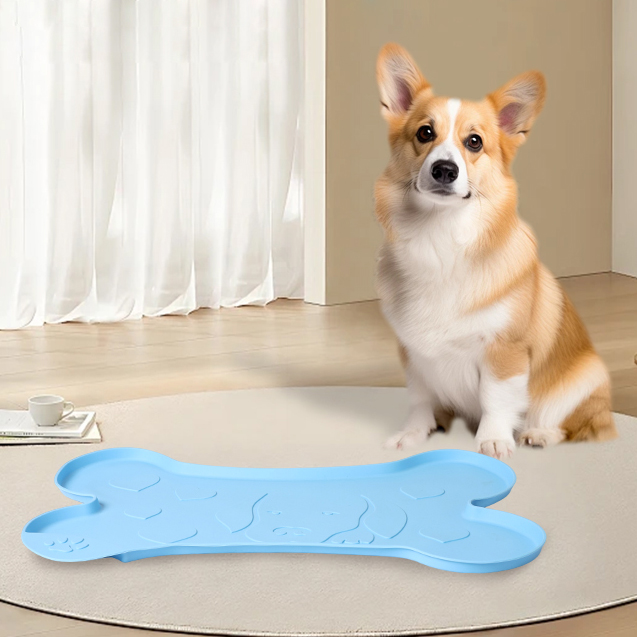
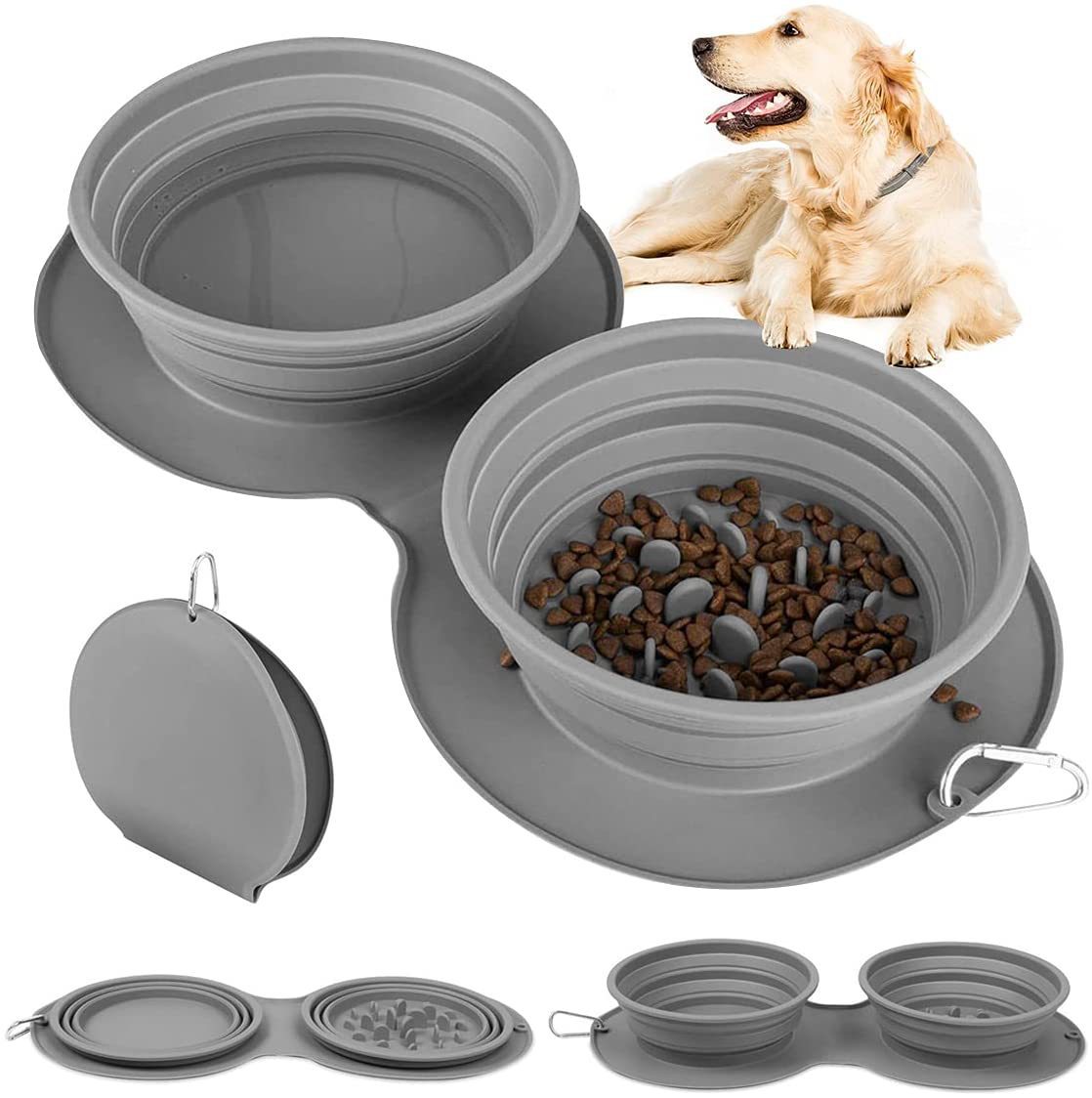
| Factor | Silicone Products | TPR Products |
|---|---|---|
| Raw Material Price | Higher, due to premium quality and certification (FDA, LFGB, medical-grade) |
Lower, generally cheaper than silicone |
| Processing Method | Requires curing/vulcanization, longer cycle time, specialized molds |
Injection molding or extrusion; faster cycle times, lower energy use |
| Production Cost | Relatively high (longer molding process and energy usage) |
Standard thermoplastic molds, less costly |
| Durability Value | Long-term investment; products last longer, reducing replacement costs |
Recyclable and reprocessable (thermoplastic) |
| Best For | High-end pet supplies, baby care, medical products, heat-resistant items |
Lower production cost, but products may require more frequent replacement |