The slow eating bowl is an added design to an ordinary bowl. It is usually shaped like a maze bowl, or add additional pillar designs or other features that prevent dogs from eating too quickly, in order to achieve the effect of making pets eat slowly and stimulate their brains. It is a kind of "Mental Enrichment Bowl".
Would you like to know the differences between the slow food bowl and the ordinary dog bowl? Please read this article: https://www.joyioem.com/blog-detail/slow-feeder-vs-regular-bowl 
Silicone material has almost dominated the pet slow-eating bowl market. Why do people prefer silicone-made slow-eating bowls?
The food-grade silicone material meets the FDA standards or the LFGB standards. It is non-toxic, odorless, BPA-FREE, and safe and soft.
The pet bowl made of silicone material can be designed in various styles and match in various Pantone colors. It integrates multiple colors. The surface can be treated to achieve a glossy effect or a matte effect. It can meet the positioning requirements of different brands. There is a wide range of options available. Whether it's a brand that emphasizes cost-effectiveness or a brand with a high-end and luxurious positioning, you can choose a silicone material-made pet slow-feed bowl to achieve the brand's expectations.
Silicone slow-feed bowl, suitable for dishwasher cleaning, soft and not prone to deformation. The bottom is equipped with an adhesive design for better stability and durability.
As long as no sharp objects are used to deliberately damage it, the silicone bowl will not tear, will not decay, will not absorb water, and there will be no peeling of the paint. It has a very long service life.
Not all slow feeder bowls perform equally in the market. While the core function is to slow down a dog's eating pace, the most successful products combine thoughtful design, premium materials, and features that match today's pet feeding trends.
For pet brands developing a new product line, understanding these design elements can help create a slow feeder bowl that delivers both better user experiences and stronger commercial performance.
The internal maze design is the heart of every slow feeder bowl. Different levels of complexity are suitable for different dogs and feeding habits.
Easy Maze
Medium Maze
Advanced Maze
Many premium brands now offer multiple maze options within the same product collection, allowing customers to choose the right difficulty based on their dog's needs.


A well-designed slow feeder should work with a variety of feeding styles—not just dry kibble.
When designing a product, consider compatibility with:
As fresh and raw feeding continue to gain popularity, versatile slow feeders have become increasingly attractive to modern pet brands.
One of the most common complaints about traditional pet bowls is movement during feeding.
Adding a stable base significantly improves the user experience.
Popular options include:
Suction cup slow feeders are particularly popular for use on tile floors, kitchen surfaces, and even bathroom walls when combined with enrichment activities such as grooming or bathing.


Instead of using a single maze pattern, many new slow feeder bowls feature multiple feeding zones with different textures and channel depths.
This design offers several advantages:
Some premium products also combine licking areas with maze sections, creating a hybrid feeding solution that supports both slow eating and enrichment.
Color has become an important part of product positioning, especially for DTC brands and Amazon sellers.
Current market trends include:
For OEM projects, manufacturers can typically provide Pantone color matching, helping brands maintain a consistent visual identity across their entire product range.
Offering multiple sizes allows brands to reach a wider customer base.
Typical options include:
| Size | Recommended For |
|---|---|
| Small | Puppies, toy breeds, cats |
| Medium | Most adult dogs |
| Large | Large breeds and multi-pet households |
| XL | Giant breeds or fresh food portions |
Some brands also develop matching product families that include slow feeder bowls, lick mats, collapsible bowls, and feeding mats in coordinated sizes and colors to encourage repeat purchases.
The best-selling slow feeder bowls are no longer defined by maze patterns alone. Today's successful products combine functional design, premium food-grade materials, attractive aesthetics, and thoughtful customization to meet the evolving needs of modern pet owners.
For brands entering this category, investing in the right combination of maze design, food compatibility, stability, color selection, and product sizing can significantly improve product differentiation and long-term market competitiveness.

For private label brands, customization goes far beyond adding a logo. A well-designed slow feeder bowl should reflect your brand positioning, target market, and product strategy. Whether you're launching a new collection or expanding an existing product line, thoughtful customization helps create a product that stands out in an increasingly competitive market.
The overall shape influences both functionality and shelf appeal. Round bowls remain the most popular choice, while square, bone-shaped, flower-shaped, and double-compartment designs are often used to create a more distinctive product line. Many brands also develop matching collections that share the same design language across multiple feeding products.
The maze pattern is one of the most important points of differentiation. It can be customized based on feeding speed, dog size, or intended use. Some brands prefer simple channels for everyday feeding, while others develop deeper, more complex patterns that provide longer feeding times and additional enrichment. Custom maze designs also help create exclusive products that are difficult for competitors to copy.
Food-grade silicone can be produced in different hardness levels depending on the desired user experience. A softer bowl offers greater flexibility and is easy to fold or store, while a firmer construction provides better shape retention and a more premium feel. The right balance depends on the product design and positioning.
Color has become an important part of brand identity. Manufacturers can match Pantone colors to maintain consistency across an entire product range, making it easier to build recognizable collections. Earth tones, neutral colors, and soft pastels continue to be popular choices for premium pet brands.
There are several ways to incorporate your brand into the product. Depending on the design, logos can be molded directly into the silicone, embossed or debossed on the surface, laser engraved on accessories, or printed using food-safe inks. The right branding method depends on the desired appearance, production process, and budget.
Packaging is often the first thing customers notice. Many private label brands choose fully customized retail boxes, color sleeves, hang tags, instruction cards, and barcode labels to create a complete brand experience. For Amazon sellers, frustration-free packaging, FNSKU labels, and optimized carton sizes can also be prepared before shipment.
For brands looking to build a unique product line, developing a custom mold provides the highest level of product exclusivity. This allows complete control over the bowl shape, maze structure, dimensions, and branding details while reducing direct competition from standard catalog products. Although custom tooling requires a higher initial investment, it often delivers stronger long-term brand value and pricing power.
The most successful private label slow feeder bowls are designed around a brand's market positioning rather than simply adding a custom logo to an existing product. By combining unique product design, carefully selected materials, consistent branding, and retail-ready packaging, brands can create products that are more recognizable, more competitive, and more difficult to imitate.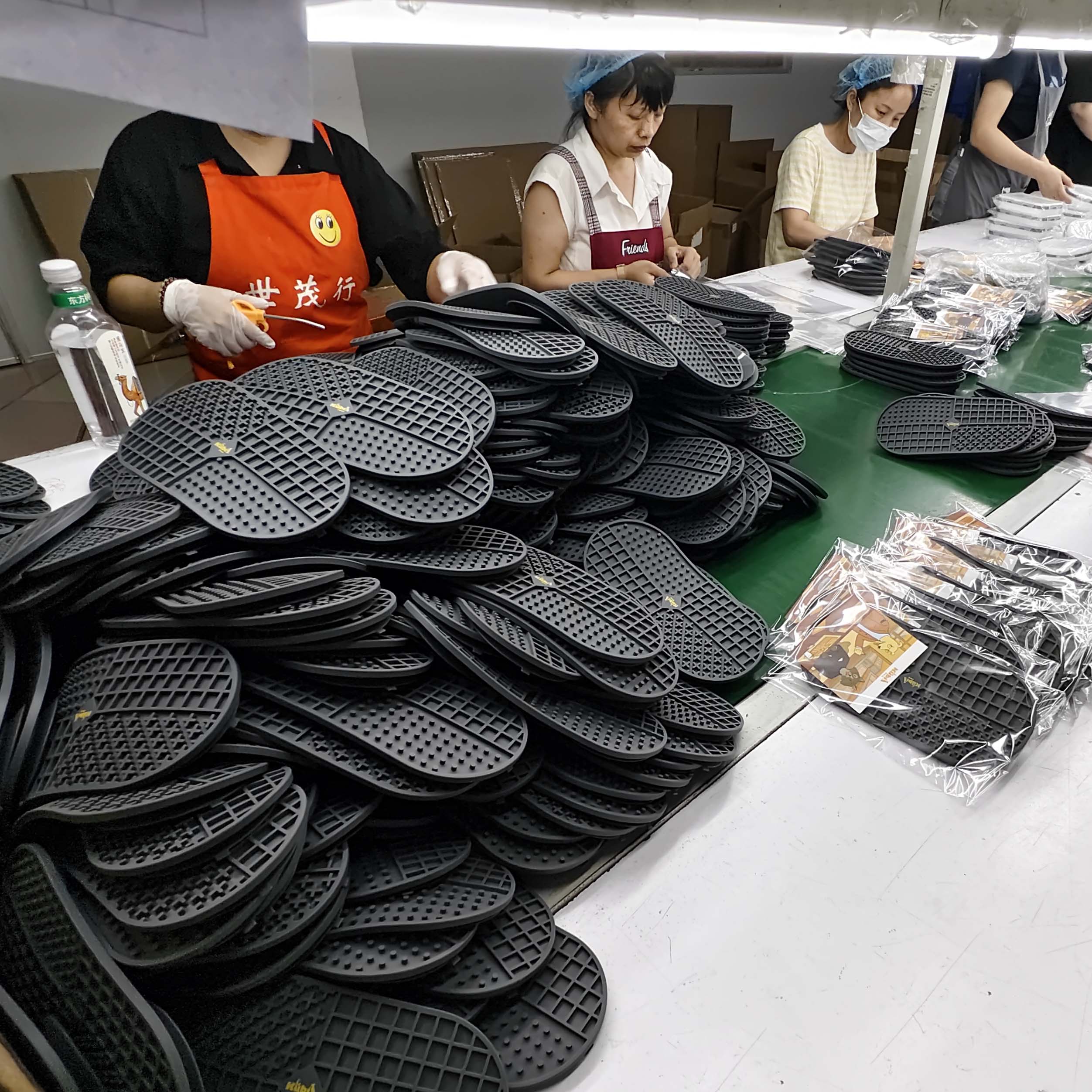
Choosing the right manufacturing partner is just as important as choosing the right product design. A reliable supplier should do more than produce parts—they should help reduce development risks, maintain consistent quality, and support your brand as it grows.
Before starting an OEM or private label project, it's worth evaluating a supplier beyond price alone. The following questions can help you identify whether a manufacturer has the capabilities to support long-term cooperation.
If you're building a unique product rather than buying an off-the-shelf design, mold development is essential.
An experienced manufacturer should be able to support the entire development process, from design evaluation and 3D drawings to mold manufacturing, sample testing, and production optimization. Having an in-house engineering and tooling team often shortens development time and makes design revisions much easier.
Not all silicone manufacturers have experience producing pet feeding products.
Ask whether they use certified food-grade silicone and whether their products can comply with regulations such as FDA or LFGB when required by your market. Manufacturers with experience in pet products are also more familiar with material performance, safety requirements, and production standards for feeding accessories.
Consistent quality is critical for any private label brand.
A reliable supplier should have quality control procedures covering raw material inspection, in-process checks, finished product inspection, and packaging verification. This helps reduce defects, maintain consistency between production batches, and protect your brand reputation.
Launching a product is only the beginning.
As your business grows, your supplier should be able to support larger production volumes without compromising lead times or quality. Ask about production capacity, manufacturing equipment, and how they handle seasonal demand or repeat orders.
Production lead times and minimum order quantities vary between manufacturers.
For new product launches, flexible MOQs can reduce inventory risk, while clear production schedules help brands plan marketing campaigns and product launches with greater confidence.
Different markets have different regulatory requirements.
If you plan to sell in North America, Europe, or other international markets, confirm that your supplier understands the relevant testing and documentation requirements. Experience with export projects can simplify compliance and reduce delays during product launches.
The best manufacturing partners don't simply manufacture products—they help improve designs, solve production challenges, optimize costs, and support long-term product development.
For private label brands, choosing a supplier with engineering expertise, stable quality control, and OEM experience often creates greater long-term value than selecting the lowest quotation.
Developing a successful pet product requires more than manufacturing capacity. It requires a partner who understands product development, material performance, quality requirements, and the realities of bringing a product to market.
At JOYI, we've spent more than eight years helping pet brands turn ideas into commercially successful silicone products. From concept development to mass production, our team works closely with customers to simplify the OEM process and reduce development risks.
Unlike trading companies, JOYI is a direct manufacturer specializing in silicone and rubber pet products. We support every stage of product development, including design evaluation, mold development, sampling, mass production, packaging, and global delivery.
Whether you're launching your first private label product or expanding an established product line, our team provides practical manufacturing support from start to finish.
A strong engineering team is one of the biggest advantages in OEM manufacturing.
Our in-house engineers work with customers to optimize product structure, improve manufacturability, and shorten development cycles. With our own tooling capabilities, design revisions and mold maintenance can be completed more efficiently, helping reduce both lead times and overall development costs.
Consistency is essential for every private label brand.
Our production process includes raw material inspection, in-process quality control, finished product inspection, and final packaging checks to ensure every production batch meets the required standards.
We operate under an ISO 9001 quality management system, and our factory has obtained BSCI certification, providing customers with greater confidence in quality management and responsible manufacturing practices.
Every business is at a different stage of growth.
Some customers are launching new products with smaller initial orders, while others require stable production for large retail programs. JOYI offers flexible production planning and scalable manufacturing capacity to support both growing brands and established importers
Over the years, we have worked with pet brands, wholesalers, distributors, and Amazon sellers across North America, Europe, and other international markets.
Our team understands export documentation, product compliance, packaging requirements, and international shipping processes, helping customers bring products to market more efficiently.
At JOYI, we see ourselves as a long-term manufacturing partner rather than simply a supplier.
From optimizing product designs and selecting the right materials to developing custom molds and preparing retail-ready packaging, we work alongside our customers throughout every stage of product development. Our goal is not only to manufacture products, but to help brands build product lines that are competitive, scalable, and ready for long-term growth.
Instead of simply manufacturing products, we focus on building long-term partnerships through:

Yes. OEM manufacturers can develop completely custom slow feeder bowls based on your concept or drawings. This includes the bowl shape, maze pattern, size, material, colors, logo, and packaging. If you don't have a finished design, many manufacturers can also assist with product development and engineering.
OEM (Original Equipment Manufacturing) allows you to create a unique product with custom molds, exclusive designs, and proprietary specifications.
Private label typically uses an existing product design while customizing elements such as colors, logos, and packaging. It is usually the faster and more cost-effective option for launching a new product.
Food-grade silicone is one of the most popular materials for premium slow feeder bowls. It is BPA-free, durable, flexible, dishwasher safe, and suitable for dry, wet, fresh, and raw food. Compared with hard plastic, silicone also provides a softer surface that is gentler on dogs' teeth and gums.
Yes. Brands often develop multiple sizes and maze patterns to suit different breeds and feeding habits. Smaller bowls with simpler patterns work well for puppies and small breeds, while deeper maze designs are more suitable for medium and large dogs that eat quickly.
Most OEM projects can be customized in several ways, including:
The available options may vary depending on the product design and production process.
The timeline depends on the complexity of the project. For products requiring a new mold, development typically includes product design, mold manufacturing, sample approval, and mass production. Brands should plan sufficient time for testing, revisions, and packaging preparation before launch.
A reliable manufacturer should use food-grade silicone and have a quality management system in place. Depending on your target market, you may also require compliance with standards such as FDA or LFGB. Factory certifications like ISO 9001 and BSCI can also indicate stronger quality control and manufacturing management.
Beyond pricing, evaluate the supplier's engineering capabilities, mold development experience, quality control system, production capacity, export experience, communication efficiency, and ability to support long-term product development. Choosing a manufacturer that can grow with your business often provides greater long-term value than selecting the lowest quotation.
Yes. Many OEM manufacturers offer customized retail packaging, including printed boxes, sleeves, barcode labels, instruction manuals, and Amazon-ready packaging. This helps brands reduce preparation time before products reach the market.
MOQ varies depending on whether you choose an existing design or develop a custom mold. Standard products generally require lower minimum order quantities, while fully customized projects may require higher MOQs due to tooling and production setup. It's best to discuss your project requirements with the manufacturer to determine the most suitable production plan.
To learn about our complete feeding solution, please click here.
https://www.joyioem.com/pages/pet-feeding-enrichment