-Last Updated: July 2026
The pet industry is changing quickly.
Pet owners are no longer looking for simple feeding products. They want products that improve their pets’ health, provide better feeding experiences, and fit their lifestyle.
This is why slow feeder bowls, lick mats, and other enrichment feeding products have become increasingly popular among pet brands, retailers, and eCommerce sellers.
For brands planning to launch their own slow feeder products, choosing the right manufacturer is one of the most important decisions.
A reliable slow feeder manufacturer does not only produce products. They help transform an idea into a market-ready product through material selection, product development, quality control, and manufacturing experience.
However, not every supplier can provide the same level of support.
Some factories only focus on low-cost production, while experienced OEM manufacturers can help brands create unique products that stand out in a competitive market.
So, how can you find the right silicone slow feeder manufacturer for your pet brand?
In this guide, we will share the key factors you should consider before choosing an OEM partner, based on real manufacturing experience in silicone pet products.
Before developing your own slow feeder products, it is also important to understand why slow feeding has become a growing trend among pet owners.
Learn more about [how slow feeding improves dog health and why pet brands are investing in this category].
Many brands think manufacturing is simply about finding a supplier with the lowest price.
However, when developing pet products, the cheapest option is rarely the best long-term choice.
A slow feeder product directly affects the pet’s daily feeding experience. Problems such as poor material quality, unpleasant odor, weak structure, or difficult cleaning can quickly lead to negative customer reviews.
For pet brands, the manufacturer you choose can influence:
A professional OEM slow feeder supplier should become more than a production partner.
They should help you answer important questions:
A strong manufacturing partner helps reduce risks before they become expensive problems.

Before choosing a supplier, it is important to understand that not all manufacturers provide the same level of service.
Generally, there are three types of suppliers you may encounter.
Trading companies can be useful when brands need quick sourcing.
They usually have access to multiple factories and can provide many product options.
However, there are also limitations:
For brands looking to build a unique product line, working directly with a manufacturer is usually a better choice.
Some silicone factories have strong production capabilities but limited experience with pet products.
They may understand silicone manufacturing, but they may not fully understand:
A good silicone manufacturer does not automatically mean they are a good pet product manufacturer.
A specialized slow feeder manufacturer understands both manufacturing and the pet market.
They can support:
For pet brands planning long-term growth, this type of partner usually provides the most value.
For pet feeding products, material safety should always be the first consideration.
Dogs and cats use feeding products every day, which means the material must be safe, durable, and suitable for repeated contact.
When evaluating a silicone slow feeder manufacturer, ask about:
High-quality slow feeders are commonly produced using food-grade silicone that meets standards such as FDA or LFGB requirements.
However, certification alone is not enough.
Manufacturing processes also affect product quality.
For example, silicone products with insufficient curing processes may develop unpleasant odors, which can negatively affect customer experience.
An experienced manufacturer should understand how to control:
For more information about silicone odor problems and manufacturing solutions, you can read:
[Why Some Silicone Products Smell Bad: Causes and How Manufacturers Prevent It]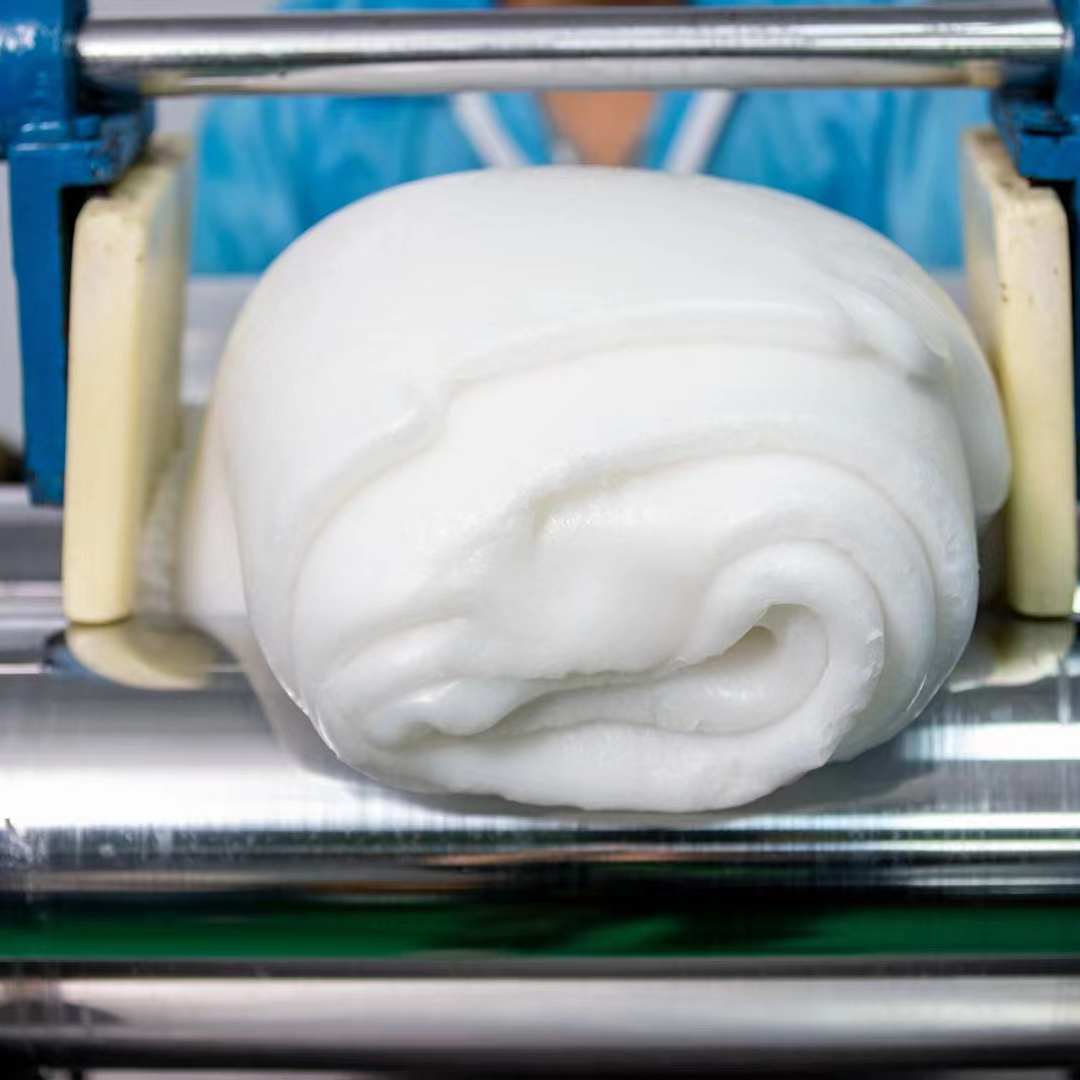
For pet brands, selling another generic product is becoming increasingly difficult.
Customers are looking for unique designs, better functions, and stronger brand identity.
That is why OEM customization capability is one of the most important factors when choosing a slow feeder manufacturer.
A professional OEM partner should be able to support:
Different pets have different feeding behaviors.
The structure of a slow feeder affects:
A manufacturer with engineering experience can help improve your concept before production.
Custom molds allow brands to create exclusive products instead of competing with identical products in the market.
A complete mold development process usually includes:
For brands building their own product line, private label services are essential.
Customization options may include:
A reliable private label slow feeder manufacturer should help you create a complete product experience, not just add a logo to an existing item.

The pet product market changes quickly.
A product that performs well today may become outdated if it cannot adapt to changing customer expectations.
When choosing a slow feeder manufacturer, do not only evaluate their current product catalog. Look at whether they understand where the market is going.
A manufacturer with strong product development capability can help brands identify new opportunities, such as:
For example, many pet brands are now moving beyond traditional slow feeder bowls.
Instead of only slowing down eating speed, new products combine feeding with mental stimulation and enrichment activities.
This creates better value for pet owners and gives brands more opportunities to build differentiated product lines.
Before selecting a product direction, many brands compare different feeding solutions.
You can learn more about the differences between product types here:
[Slow Feeder Insert vs Regular Dog Bowl: Which Solution Is Better for Pet Brands?]

From our experience developing silicone pet products, a successful slow feeder is not simply a product with more complicated patterns.
A good design needs to balance three important factors:
The main purpose of a slow feeder is to encourage pets to eat more slowly.
However, the difficulty level needs to be carefully considered.
If the maze design is too simple, it may not effectively slow down eating.
If it is too complicated, some pets may become frustrated and lose interest.
A good manufacturer understands how to balance function and usability.
Many product ideas look attractive during the design stage but create problems after customers start using them.
For example, extremely complex structures may collect food residue and become difficult to clean.
When developing silicone slow feeders, manufacturers need to consider:
A product that customers enjoy using is more likely to receive positive reviews and repeat purchases.
A creative product concept must also be practical to manufacture.
During development, experienced manufacturers consider:
A design that looks perfect on a computer screen may require adjustments before mass production.
This is where an experienced OEM partner provides real value.
They help turn creative ideas into products that can be manufactured efficiently and consistently.
A great product idea can still fail if the manufacturer cannot deliver on time.
For pet brands, delays may affect:
Before working with a slow feeder manufacturer, ask clear questions about their production capability.
Important questions include:
A manufacturer should have enough capacity to support both trial orders and future growth.
A supplier that can only handle small quantities may create problems when your product becomes successful.
For custom slow feeder products, development usually includes:
A professional supplier should provide a realistic timeline instead of promising unrealistic delivery dates.
Quality control should not only happen at the end of production.
A reliable manufacturer should have inspection procedures covering:
Consistent quality is especially important for brands selling in markets such as the US and Europe, where customer expectations are high.
Not every silicone factory understands pet products.
Pet products have unique requirements compared with ordinary household silicone products.
A manufacturer experienced in pet products understands:
Pet products need careful consideration of:
Pet owners are not only buying a functional product.
They are buying something that improves their pet’s daily life.
A successful product should consider:
Many pet brands sell through:
An experienced OEM supplier should understand requirements such as:
Choosing a manufacturer with pet industry experience can save significant time during product development.
Before placing an order, it is recommended to have a detailed discussion with your potential supplier.
Here are some important questions:
Working with a direct manufacturer usually provides better communication, quality control, and customization options.
If your goal is to create a unique product, mold development capability is essential.
Ask about:
A complete OEM service may include:
Understanding MOQ and lead time helps brands plan inventory and investment.
For brands entering the slow feeding market, developing a complete slow feeder bowl may not always be the best first step.
Many successful brands start with silicone slow feeder inserts because they offer several advantages.
Compared with a completely new bowl structure, slow feeder inserts usually require less complex tooling.
This makes them a practical option for brands testing a new product category.
Because inserts can work with existing bowls, development and production can often move faster.
Brands can validate customer demand before investing in more complex products.
Slow feeder inserts can also be combined with other pet products.
For example:
This gives brands more flexibility when building a product portfolio.
If you are looking for a partner to develop this type of product, you can explore our:
[Silicone Slow Feeder Insert Manufacturer Solution]
Choosing the wrong manufacturer can create problems that are difficult and expensive to fix later.
A low price may look attractive at the beginning, but poor quality, communication problems, and production delays can damage your brand reputation.
Before selecting a slow feeder supplier, pay attention to these warning signs.
A reliable silicone slow feeder manufacturer should clearly explain:
If a supplier avoids discussing materials or cannot provide basic documentation, it may indicate quality risks.
Price is an important factor, but it should not be the only consideration.
Extremely low pricing may mean:
For pet products, saving a small amount on manufacturing cost can lead to much higher costs later if customers complain about quality issues.
Many pet brands are trying to build unique product identities.
If a supplier only offers existing designs and cannot support customization, it becomes difficult to create a competitive product.
A strong OEM partner should be able to support:
Product development requires continuous communication.
Pay attention to how a supplier responds before cooperation.
A professional manufacturer should be able to:
Good communication at the beginning usually leads to smoother cooperation during production.
Choosing an OEM partner is not only about finding a factory that can produce products.
It is about finding a partner who understands your brand goals and can support the entire development process.
At JOYI, we focus on helping pet brands create customized silicone pet products from concept to mass production.
Our support includes:
From an initial idea to a finished product, our team can assist with:
We work with brands to make sure the final design is not only attractive but also practical for manufacturing and daily use.
Silicone product quality depends on many details.
Our manufacturing process focuses on:
This helps ensure products meet the expectations of international pet markets.
For private label pet brands, we provide customization options including:
Whether you are launching your first pet product or expanding an existing product line, we can support different development stages.
Finding the right slow feeder manufacturer is one of the most important decisions when building a pet product brand.
The best supplier is not necessarily the one with the lowest price.
A reliable OEM partner should help you:
When evaluating a silicone slow feeder manufacturer, focus on more than production capability.
Look for a partner with:
A strong manufacturing partnership allows your brand to create products that customers trust and pets enjoy using.
If you are planning to develop your own slow feeder bowls, lick mats, or other silicone pet products, working with an experienced OEM manufacturer can help turn your product ideas into successful market solutions.
Contact JOYI to discuss your custom slow feeder project.
A reliable slow feeder manufacturer should have experience in pet products, provide safe silicone materials, offer customization services, and have strong production and quality control capabilities.
Important factors include:
Yes.
Food-grade silicone is one of the most popular materials for slow feeder products because it is:
However, the quality of silicone and manufacturing process are also important.
A professional silicone manufacturer should control material selection, curing process, and product inspection to ensure consistent quality.
Yes.
Many OEM manufacturers support private label slow feeder development.
Customization options may include:
Private label customization allows brands to create products that are different from standard market offerings.
For many new pet brands, silicone slow feeder inserts are a practical starting point.
They usually require:
Brands can test market demand first and then expand into complete slow feeder bowls or other enrichment products.
The timeline depends on product complexity, mold requirements, and design changes.
A typical OEM development process includes:
An experienced manufacturer can help shorten development time by identifying potential issues early.